Source Transparent Plastic Cosmetic Mirror for Travel, Vanity, and Retail
Find 30 transparent plastic cosmetic mirror options with customizable frames, finishes, and shapes. Compare single and double-sided designs, including round, square, and rectangle styles, to identify suitable suppliers for your specific packaging and material needs; compare the available evidence and request quotations based on your requirements.
Key considerations
Products List


$4.50 - $12.50
Moq: 300


$4.50 - $12.50
Moq: 300



Comprehensive Sourcing Guide
Transparent Plastic Cosmetic Mirror Sourcing Guide
Procuring transparent plastic cosmetic mirrors requires distinguishing between acrylic sheet substrates and finished mirror units, as the supply chain offers both raw materials and completed products. Buyers must verify whether the supplier provides the base transparent plastic sheet with specific thickness ranges or a fully assembled mirror with a customized frame and finish. The observed product data indicates a wide variance in frame materials, ranging from plastic to metal, and finishes including nickel, chrome, and zinc alloy, which directly impacts the final aesthetic and durability of the transparent unit.
Sourcing decisions should prioritize the specific application, whether for a pocket mirror, desktop unit, or lighted vanity mirror, as the structural requirements differ significantly. The market data shows that customization is a standard offering, allowing buyers to specify dimensions, shapes like round or square, and packaging options such as gift bags or bulk wooden boxes. Understanding these variations is essential before engaging with suppliers, as the transition from a generic transparent sheet to a branded cosmetic mirror involves distinct manufacturing processes and quality control checkpoints.
Product Scope and Observed Listing Signals
The product landscape for transparent plastic cosmetic mirrors includes diverse configurations such as single-sided and double-sided units, with shapes ranging from round to rectangular and square formats. Buyers will encounter listings for specific models like the Makeup Mirrors-095Q and Lighted Makeup Mirrors-013D, which suggest that the transparent plastic component may be integrated with lighting or specific mounting structures. The presence of "All Kinds of Makeup Mirrors" in the product descriptions indicates a broad scope where the transparent plastic element serves as the primary reflective surface or a decorative housing component.
Listing signals reveal that customization is a dominant feature, with many suppliers offering tailored sizes, colors, and finishes to meet specific brand requirements. The observed data highlights that products can be finished with nickel, chrome, or zinc alloy, and the frame material may be plastic or metal, depending on the desired price point and durability. Buyers should note that while some listings specify a "Best" quality rating, this is an observation rather than a verified standard, necessitating direct confirmation of the material properties and finish quality before placing an order.
Technical Specifications to Verify
When evaluating transparent plastic cosmetic mirrors, verifying the material composition is critical, as the data explicitly lists acrylic as a primary material with specific physical properties. Buyers must confirm tensile strength, contraction percentage, and water absorption rates, as the observed values of 3.46MPa, less than 0.4%, and less than 0.01% respectively serve as benchmarks for high-quality acrylic sheets. These metrics ensure the mirror substrate will not warp or degrade under typical usage conditions, particularly in humid bathroom environments where moisture resistance is paramount.
Dimensional specifications and finish details are equally vital for ensuring the product meets design expectations. The supply data indicates thickness ranges from 1 to 10mm and standard sheet sizes like 1220x2440mm, though finished mirrors often come in custom dimensions such as 15x22cm. Buyers should verify the specific finish type, whether it is a plastic coating, chrome plating, or zinc alloy application, as these processes affect the clarity and longevity of the transparent surface. Confirming the exact shape, such as round or square, and the side configuration, single or double, ensures the final product aligns with the intended retail presentation.
Compliance and Safety Documentation
Compliance verification for transparent plastic cosmetic mirrors involves checking for recognized safety standards that govern material safety and electrical components if the mirror is lighted. The observed product data lists CE, SGS, GEM, and RoHS certifications, which are essential for market access in regions like Europe and North America. Buyers must ensure that the specific model they intend to purchase carries these valid certifications, as the presence of "Customized" standards in some listings requires explicit confirmation of the applicable regulatory framework for the target market.
Safety documentation should also address the physical integrity of the transparent plastic material to prevent breakage or injury during use. While the data mentions specific mechanical properties, it does not explicitly list impact resistance standards, so buyers should request test reports confirming the durability of the acrylic or plastic sheet. For lighted models, additional electrical safety compliance is necessary, and the absence of specific electrical standards in the general data means suppliers must provide model-specific documentation to prove that the lighting components meet local safety codes.
Cost Drivers and Commercial Terms
Cost drivers for transparent plastic cosmetic mirrors are heavily influenced by the choice of frame material, finish complexity, and the level of customization required. The observed price range of 0.24 to 12.5 USD reflects the spectrum from simple, unbranded units to complex, lighted, or premium-finished mirrors. Buyers should anticipate that switching from a plastic frame to a metal frame or adding a chrome finish will increase the unit cost, as these processes involve additional material and labor expenses that are not always transparent in initial listings.
Commercial terms such as Minimum Order Quantity (MOQ) and packaging requirements significantly impact the total procurement cost and logistics planning. The data shows an MOQ range from 5 to 5000 units, offering flexibility for small startups but potentially higher per-unit costs for larger orders if volume discounts are not negotiated. Packaging options vary from individual gift bags to bulk wooden boxes or cartons of 100 pieces, and buyers must factor in the cost of these materials and the associated shipping weight when calculating the landed cost of the transparent plastic mirrors.
Supplier Qualification and Quality Control
Supplier qualification for this category requires verifying the origin and manufacturing capabilities, as the data indicates production primarily in China, with specific mentions of Guangdong as a place of origin. Buyers should assess the supplier's ability to handle the specific customization requests, such as the "Customized" shape and size options, and their capacity to maintain consistent quality across large batches. The presence of OEM services suggests that suppliers can adapt their production lines for private labeling, but buyers must confirm the supplier's track record in delivering consistent product specifications.
Quality control protocols must be established to ensure the transparent plastic mirrors meet the observed physical standards, such as the specific water absorption and tensile strength values. Buyers should implement pre-shipment inspections that verify the finish quality, checking for defects in the nickel, chrome, or zinc alloy coatings, and confirm that the mirror surface is free from scratches or bubbles. Given the variability in product models, a clear quality agreement defining acceptable tolerances for dimensions and material properties is essential to prevent receiving substandard units that do not match the sample.
Long-Term Procurement Checks
Long-term procurement success depends on maintaining a consistent supply of transparent plastic cosmetic mirrors that meet evolving market demands and regulatory changes. Buyers should establish a relationship with suppliers who can provide updated certification documents as standards evolve, particularly for RoHS and CE compliance, which may require re-testing or recertification over time. Regular audits of the supplier's production line can help ensure that the material quality, such as the acrylic sheet properties, remains consistent and that the manufacturing processes have not drifted from the agreed-upon specifications.
Supply chain resilience is another critical factor, as the logistics data indicates that shipping companies can be appointed by either the buyer or the supplier. Buyers should develop contingency plans for potential disruptions, such as delays in the production of specific models like the Cosmetic Mirror or the Lighted Makeup Mirrors-013D. Maintaining open communication regarding lead times and inventory levels will help mitigate risks associated with the wide range of MOQs and ensure that the transparent plastic cosmetic mirrors remain available for continuous retail operations.
FAQs
Can I customize the size and shape of the mirror?
Yes, customization is available for both size and shape. The product page lists options for round, square, and rectangle shapes with customized dimensions. You can select from various frame materials including plastic and metal. This flexibility allows you to tailor the mirror to your specific branding or functional requirements.
What certifications do these mirrors meet?
The mirrors meet CE, SGS, GEM, and RoHS standards. These certifications ensure compliance with international safety and quality regulations. Some listings also note customized standard options. This makes the products suitable for global distribution and retail markets that require verified material safety and manufacturing quality.
What is the minimum order quantity for these mirrors?
The minimum order quantity ranges from 5 to 5000 units depending on the specific model. This wide range accommodates both small trial orders and large bulk purchases. You can negotiate based on your volume needs. The flexibility supports various business sizes from startups to established retailers seeking diverse inventory levels.
Are these mirrors suitable for desktop or pocket use?
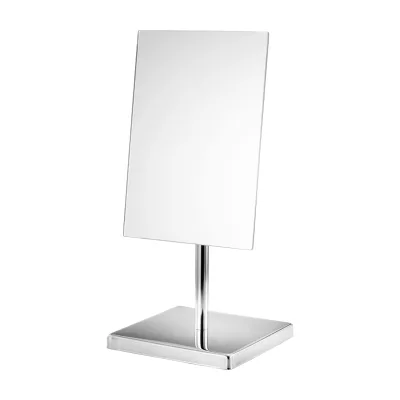
Yes, the product line includes both desktop and pocket mirror varieties. Desktop models often feature sturdy bases, while pocket mirrors are designed for portability. Some options are foldable and colorful. This variety ensures you can find the perfect form factor for different customer preferences, whether for home vanity or travel convenience.
What packaging options are available for bulk orders?
Packaging options include gift bags, bulk packing, and wooden boxes. Specific models may come in cartons containing 100 pieces. You can choose packaging that aligns with your retail strategy or shipping requirements. This variety helps protect the mirrors during transit while presenting them attractively to end consumers or distributors.
Can I request OEM services for these mirrors?
Yes, OEM services are explicitly available for these mirrors. You can customize designs, logos, and specifications to match your brand identity. The manufacturers support tailored production runs. This service is ideal for businesses looking to create unique products. It allows for distinct branding while leveraging established manufacturing capabilities and quality standards.